What do you need for a useful car shipping quote?
Send the exact vehicle, number of units, destination country and named delivery point. Then ask the supplier to state which transport stages and charges the quote includes. A country name alone leaves too much open: delivery to a port, a border terminal and a buyer's warehouse are different requests.
Our source explanation starts with a common enquiry: two buyers ask for the same vehicle but receive different freight figures. The difference can come from quantity, delivery point or service scope. Before judging either figure, put both enquiries on the same basis.
Confirm quantity before asking for a per-car rate
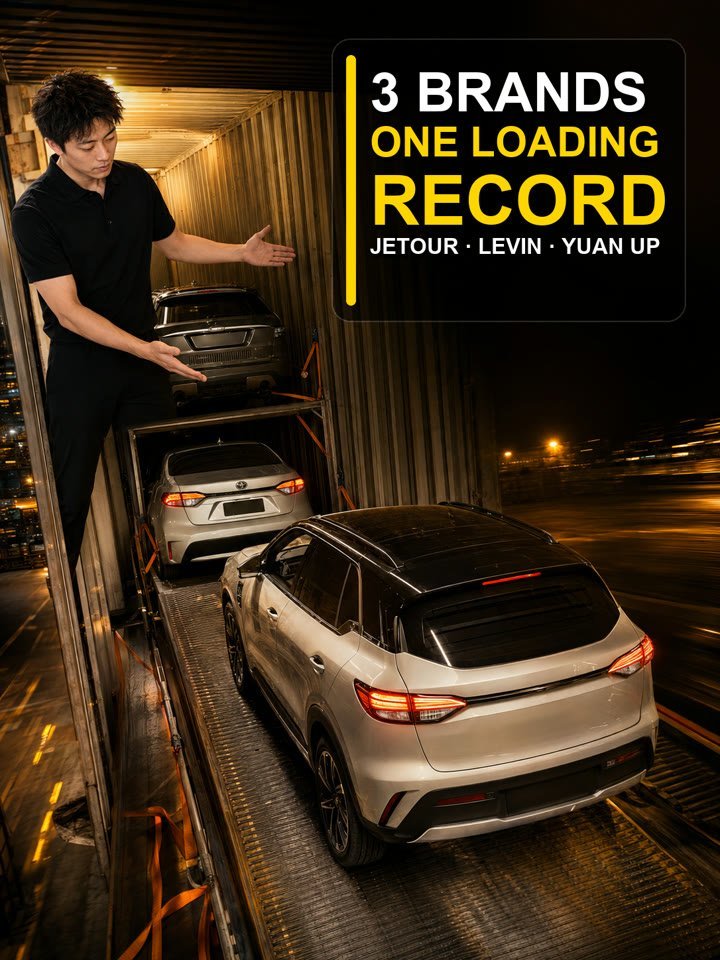
State whether the request is for one vehicle, a batch of the same model or a mixed order. Include the quantity of each model and whether all units must travel together. These details help the transport planner check a workable arrangement instead of estimating a batch from one vehicle photo.
Request both the total freight and the per-vehicle calculation for the proposed quantity. If you change the quantity later, ask for a revised quote. Do not assume that doubling the order halves the cost per car, or that a container always accepts a fixed number of vehicles; the actual loading plan still needs confirmation.
Name the delivery point precisely
For a port request, give the port name and country. For a land route, identify the border or receiving terminal under discussion. For a city or warehouse delivery, provide the city and share the exact receiving address privately when the route is being checked. A place name should describe the requested end of the supplier's service.
For example, a quote to a destination port and a quote to a warehouse in the same country are not yet comparable. Ask what onward transport would be required and who arranges it. Sea, land or combined transport should be proposed for the actual order, rather than promised from the model name alone.
Compare the written scope line by line
Ask each supplier to complete the same comparison sheet. These are questions to resolve, not a statement that every quote includes every item. Keep an explicit 'not quoted' entry where information is missing, so it is not accidentally treated as free.
Swipe across the table to see all columns.
| Item | Question to resolve |
|---|---|
| Collection and origin transport | Where does the quoted transport begin? |
| Loading and handling | Which loading operations are included? |
| Main transport | Which route, mode and destination are quoted? |
| Insurance | Is cover included, and what does the written policy cover? |
| Destination services | Who arranges terminal charges, clearance and onward delivery? |
| Validity and timing | Until when is the quote valid, and what timing is still provisional? |
Use a complete enquiry instead of 'shipping price?'
Copy the template below and fill in what you know. Use 'please check' for an unknown field rather than guessing a port or a trade term. If you are comparing two delivery options, request separate totals for each option and keep the vehicle list identical.
Vehicle / exact version:
Year as stated in the vehicle offer:
New or used:
Quantity of each model:
Destination country:
Named port / border / city / warehouse:
Required delivery scope:
Preferred shipping period:
May units travel separately?:
Please list included charges, exclusions, currency and quote validity.
Connect freight to the vehicle order
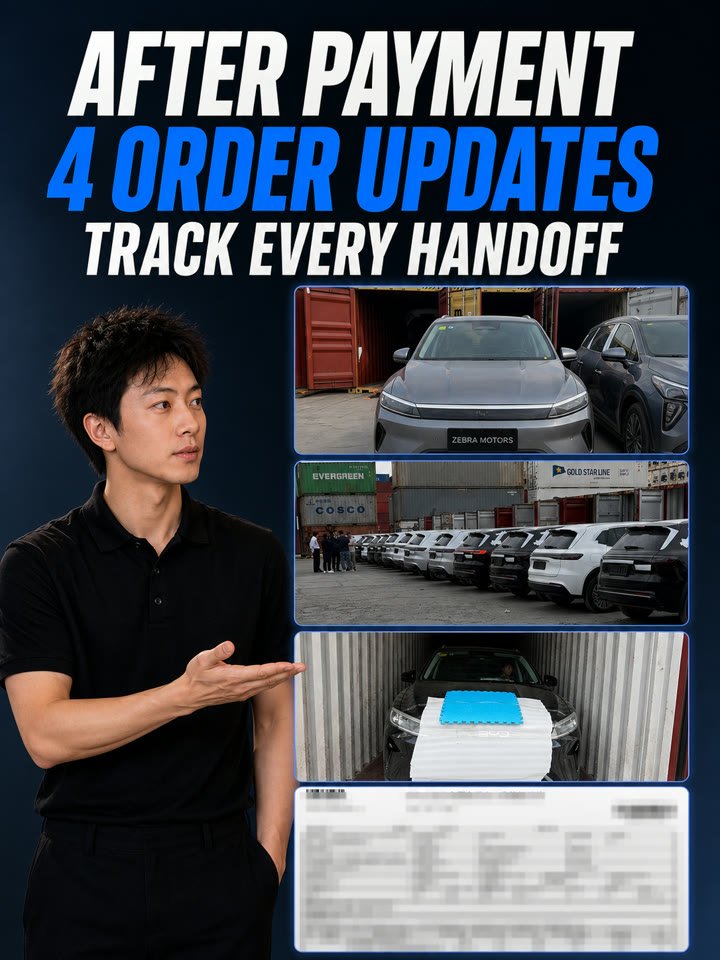
Once the route and quantity are agreed, keep the freight quote with the matching vehicle specification and order revision. A later change of model, quantity or delivery point should trigger a check of both documents. This avoids accepting a vehicle revision while still budgeting from an older transport assumption.
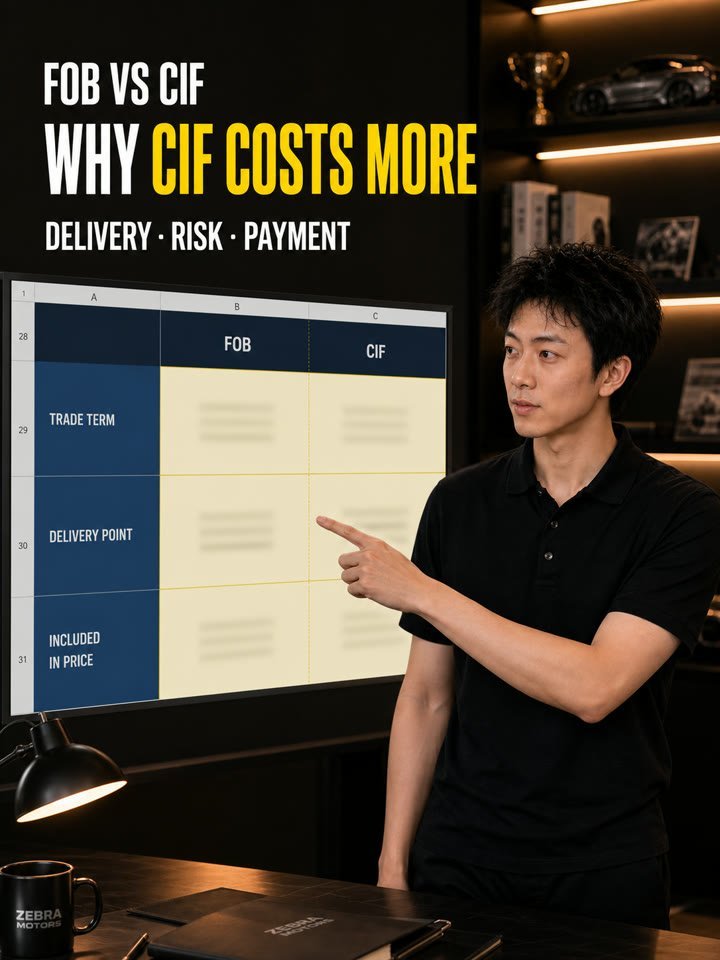
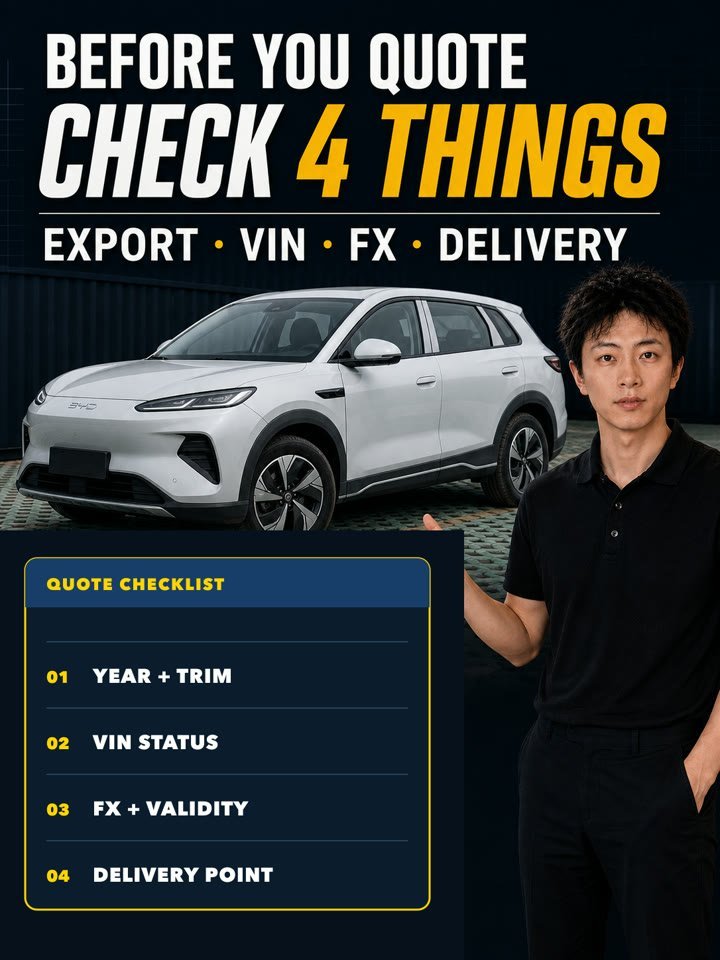
Send Zebra Motors the completed enquiry to check an order-specific transport plan. If your next question is about FOB or CIF responsibility, use the separate trade-terms guide; if it is about whether the overall offer is complete, use the quotation checklist.