The same model name can describe different deals
Two quotations can show the same model and still differ in model year, trim, options, production status, delivery point and included service. Compare the final number only after those fields match.
Confirm the exact vehicle and production status
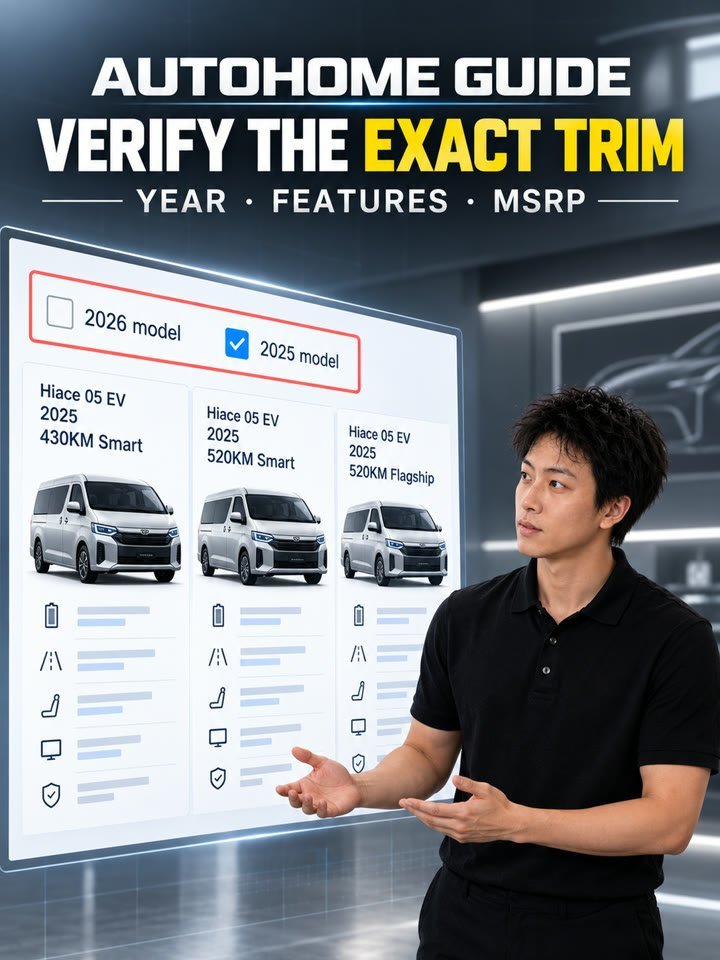
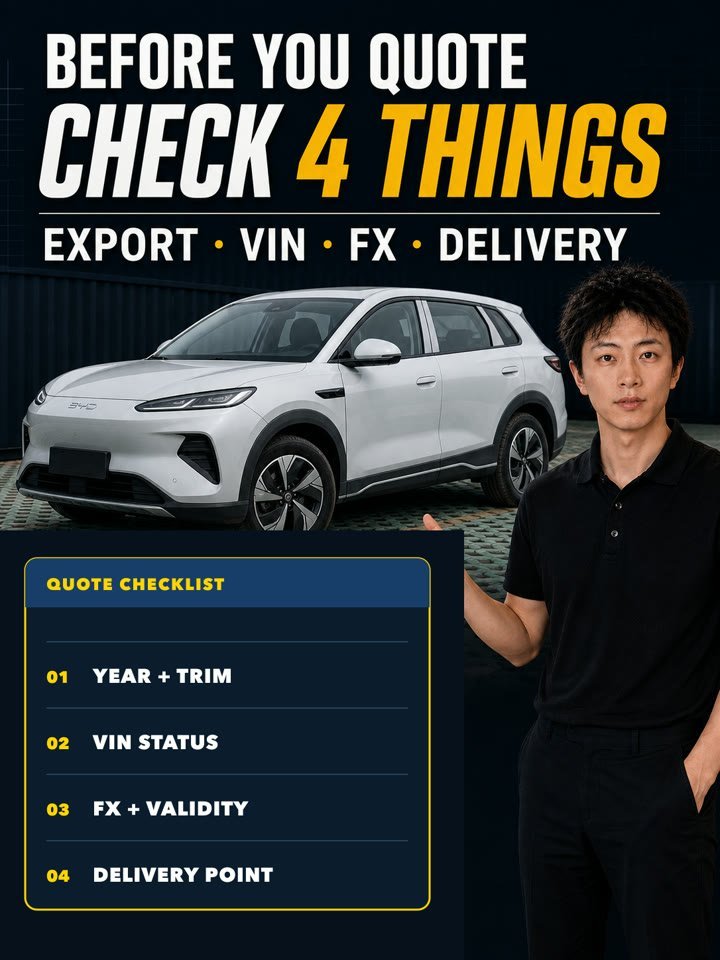
Record the model year, full trim, production year, optional equipment, exterior colour and interior. Ask whether the vehicle has been produced and whether a VIN is available. A missing VIN means the unit identity is not yet locked; describe the actual reservation or allocation status instead of calling it ready stock.
Write down the currency and validity
A USD quotation should state its date, exchange-rate basis, validity period and what happens if the rate changes. Otherwise two numbers issued on different days may not represent the same cost basis.
Define exactly where delivery ends
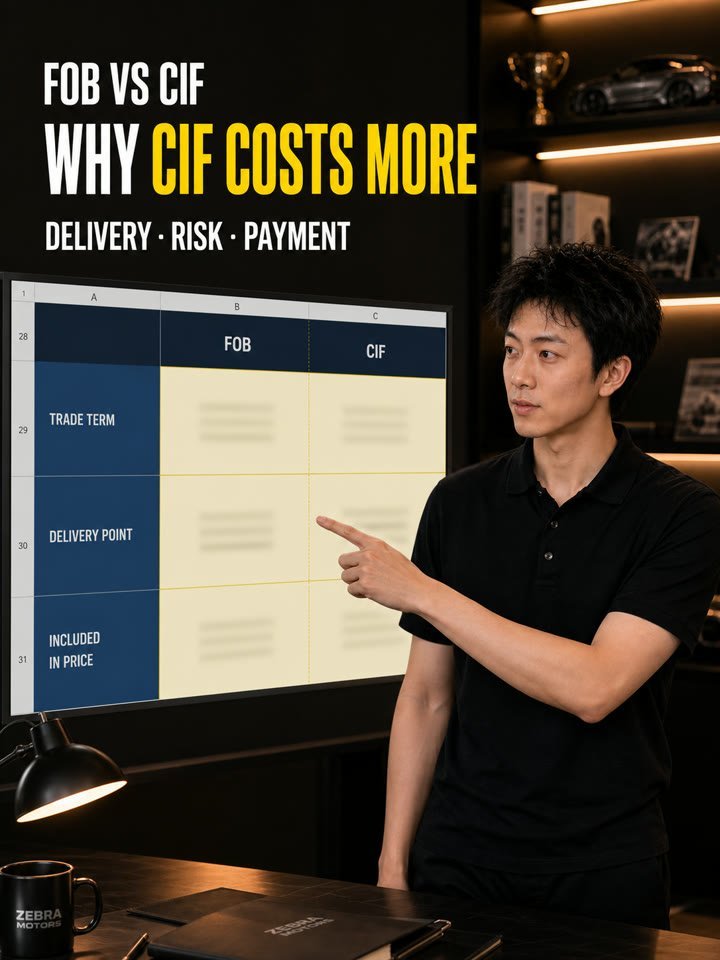
Words such as delivered or transport included are incomplete without a named point. Confirm whether delivery ends at a supplier yard, Chinese warehouse, Chinese port, land border, destination port or customer city, and list the charges included up to that point.
Complete the nine-condition order check
Before placement, confirm trim behind the listed MSRP, production year, options, exterior colour, interior, transaction currency, delivery location, payment method and delivery date. Put the agreed fields in the order document. A correct price cannot repair an incomplete order description.
Ask for a quotation you can audit
The quotation should connect one exact vehicle description with one commercial scope. Send the model, quantity, destination country and port, then request the missing vehicle and transaction fields in writing before payment.
Compare the quotation with an order-ready checklist
A quotation is ready for approval only when another person can identify the same vehicle and reproduce the same calculation. Record the original Chinese trim name, model year, production-date requirement, new or used status, exterior and interior color, mandatory options, quantity, currency, exchange-rate rule, named delivery point, trade term, included services, excluded costs, payment schedule, validity period and target delivery window. Attach the source listing or specification screenshot used to identify the trim.
Pause the order when the quotation uses only a broad model name, changes currency without a rule, omits the delivery point, combines optional equipment with the base vehicle or promises a production date that is not evidenced. Ask the supplier to revise the document instead of resolving material conditions in chat messages. The signed commercial record should be the single version used by purchasing, inspection, finance and logistics.
Calculate the comparable cost, not only the vehicle line
Create a second total that includes every confirmed cost up to the same delivery point: vehicle, sourcing or service fee, inspection, export documentation, inland transport, loading, freight, insurance and any stated bank or handling charge. Keep destination duty, tax, clearance, storage and local delivery visible as separate buyer-side estimates when they are not included. Two quotations can be compared only after they reach the same location and contain the same service scope.
Then test the quotation against three scenarios: the current exchange rate, a reasonable adverse movement and a delayed shipment that may create extra storage or booking costs. The purpose is not to predict every expense precisely. It is to understand which figures are fixed, which can change and who approves a change before payment.