
A dispatch update should show movement
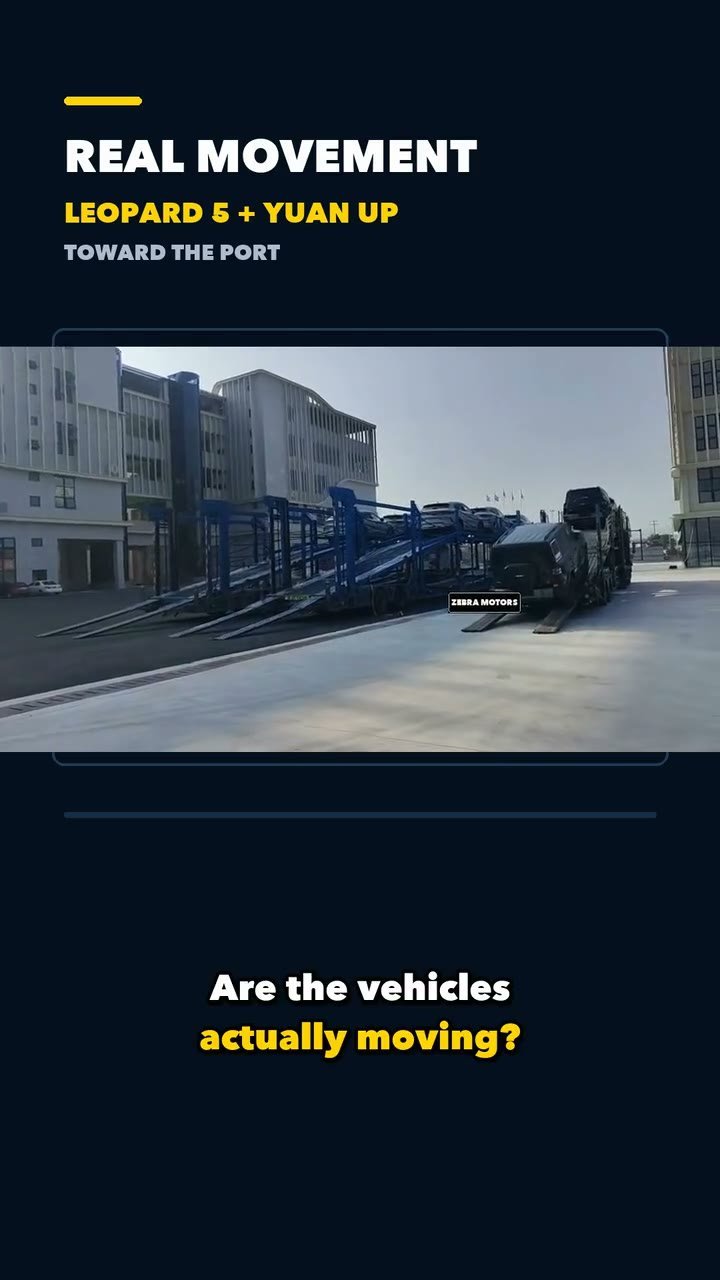
The footage shows BYD Qin L vehicles on a carrier and the carrier leaving the vehicle yard. This connects the vehicles with an actual inland-transport handover instead of showing only parked stock.
Record identity without publishing private data
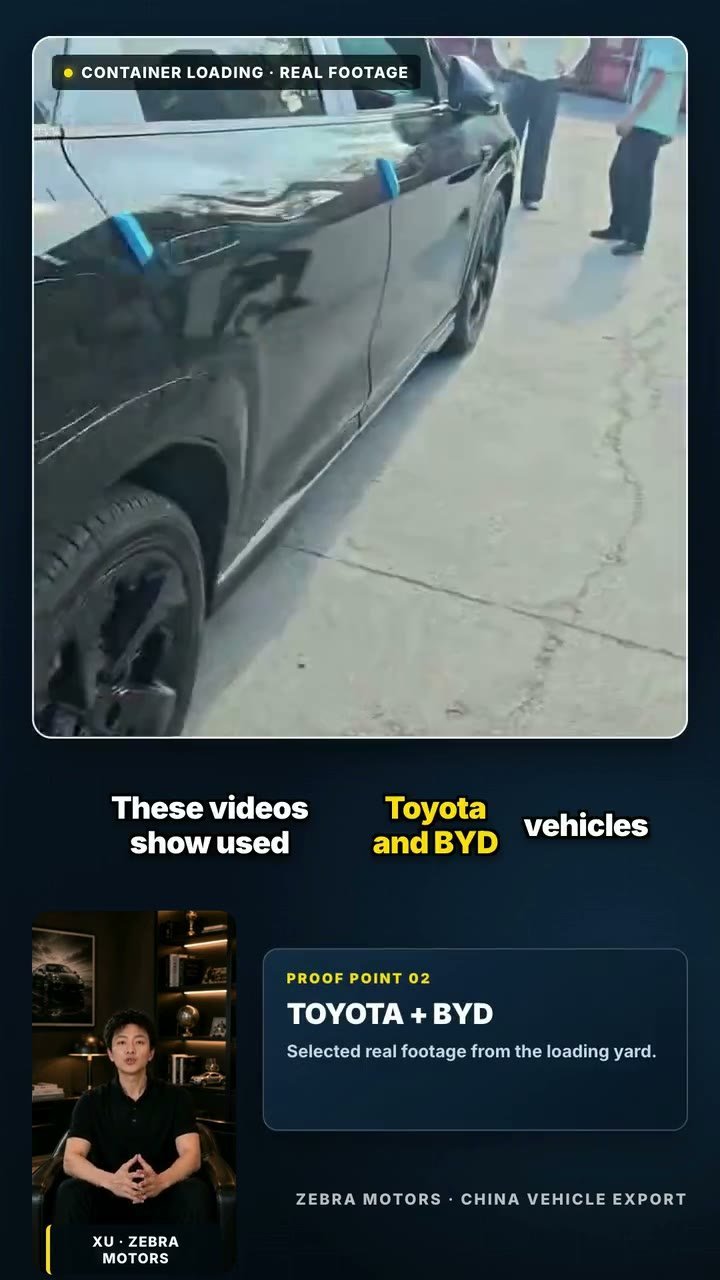
The buyer's private record should connect the dispatched units to the order and VIN list. Public footage should mask full VINs, plates, driver information and customer details. A wide view gives context; close-ups document condition and securing where safe.
Dispatch is not port arrival or export completion
Leaving the yard proves the dispatch stage shown. It does not prove arrival at a Chinese port, container loading, customs completion, vessel departure or destination delivery. Each later stage needs its own update and evidence.
What buyers should request
Ask for the dispatch date, vehicle list, carrier handover media and the next expected logistics checkpoint. Treat timing as an estimate until the next handoff is confirmed. Keep the complete record in the order file rather than relying on chat messages alone.
Connect yard departure to the complete chain of custody
A carrier-departure video answers a narrow question: the recorded vehicle was placed on the named carrier at that location and time. The order file should connect that event to the assigned VIN, driver or carrier reference, pickup time, visible condition, key count, destination and receiving contact. The next record should confirm arrival at the port, warehouse or consolidation point. Each handover closes one gap without pretending the entire international shipment is complete.
If damage or delay is reported later, this chain helps identify the last accepted condition and responsible stage. Keep original files with capture dates and avoid relying only on compressed social-media copies. For the buyer, the useful package is a short dispatch notice plus the underlying evidence, followed by the next milestone when it occurs.
Report status without overstating progress
Use precise milestone language: collected from yard, arrived at warehouse, entered port, loaded into container, loaded on vessel, departed origin or arrived at destination. Each phrase requires different evidence. A carrier video supports yard collection; a warehouse receipt supports arrival; a bill of lading and carrier status support the ocean stage. Keeping these labels separate prevents customers from reading “dispatched” as “already shipped internationally.”